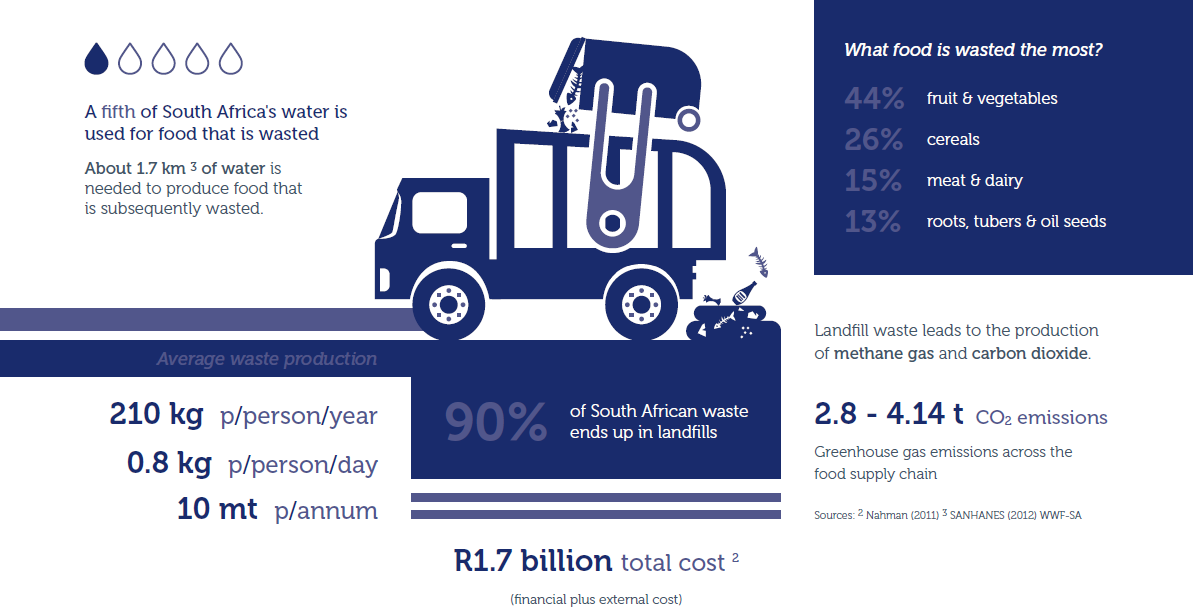
In South Africa, 10 million tonnes of food go to waste every year, which accounts for one third, which is produced annually.

Food waste requires fossil fuels to be transported from the cities to landfill sites, where it rots and generates harmful effluents and methane gas, which is approximately 30 times more potent than carbon dioxide.

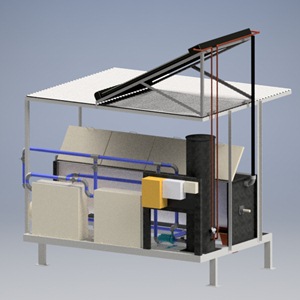
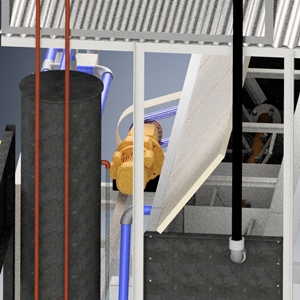
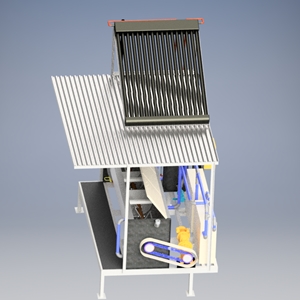
FOOD-2050 has developed a modular and robust composting solution to efficiently turn food waste into compost. This process, depending on the type of food waste, takes between 24 to 48 hours.

Become part of the solution while saving at the same time.

Contact us today for a cost-effective, environmentally-friendly solution that will also save you money.

Who We Are
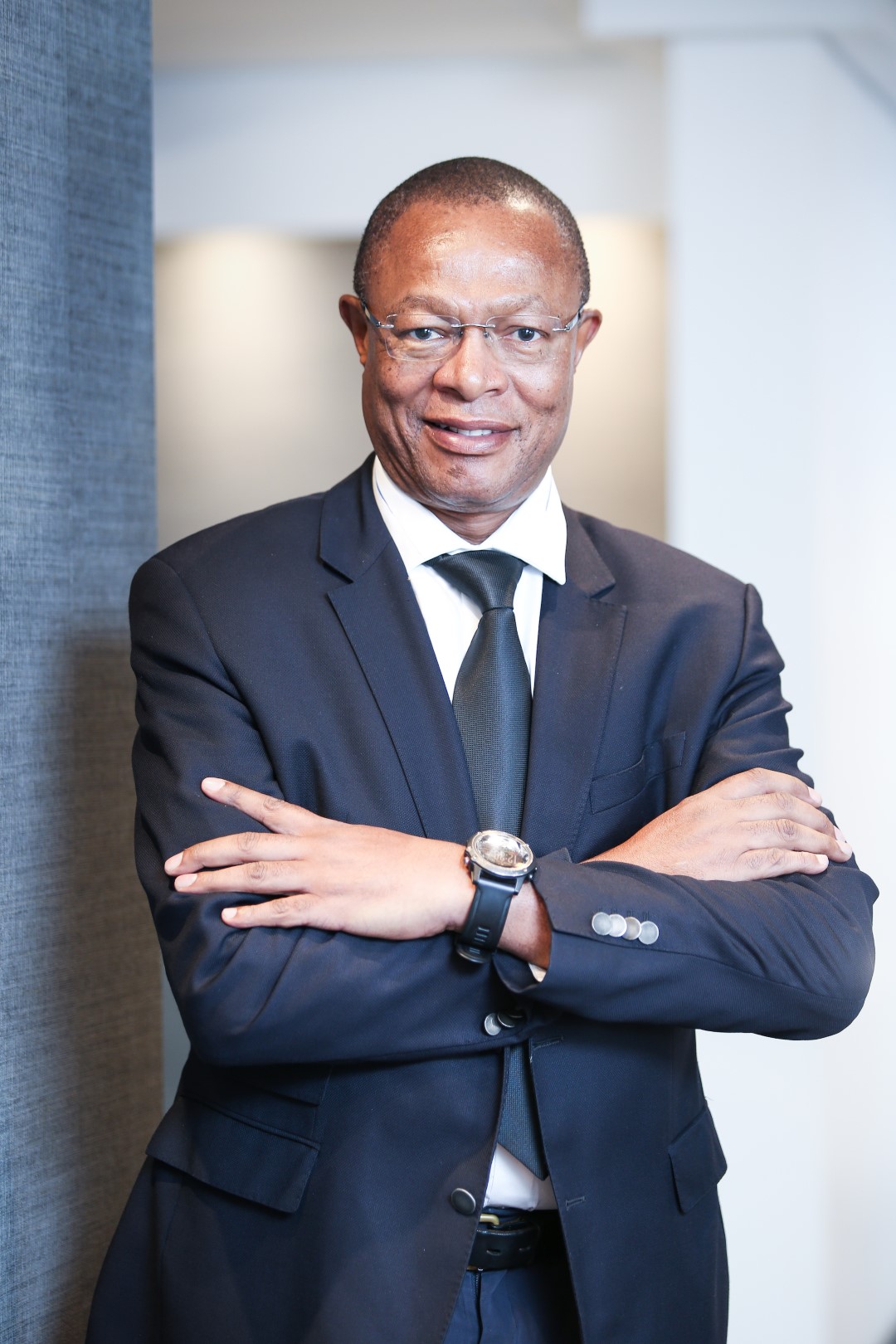
Food-2050 is a Level 1 BBBEE company which harnesses the collective capability of leading professionals in industry who all have highly credible track records in developing sustainable businesses over decades.
Dr Bobby Ramasia

Dr Bobby Ramasia

Formerly the Principal Executive Officer of the Bonitas Medical Fund until 2016.
Fred Bibbey

Fred Bibbey

Founder of Tugela Mining & Minerals
Tertius Pieters

Tertius Pieters

Founder of Allied Furnace Consultants.

Our Unique Solution

FOOD-2050 has developed a modular and robust composting solution to efficiently turn food waste into compost. This process, depending on the type of food waste, takes between 24 to 48 hours.

Composting is a natural process that enriches the soil, reduces the need for chemical fertilisers, encourages the production of beneficial bacteria and fungi, and eliminates methane emissions because of aerobic composting conditions.

How Do We Do It

FOOD-2050 develops and manufactures its composting technology in-house, which makes our operations efficient and cost competitive.

We have qualified engineers with more than 25 years’ industry experience designing and operating process equipment, utilising their skills to give our clients an offering which is unmatched in industry.

Our Vision

It is FOOD-2050’s vision to become the leading service company in South Africa converting food waste into valuable compost complying with international health, safety, environmental and quality standards.

Our Mission

FOOD-2050 will achieve its vision by continuous investment in composting technology and educational programmes in order to achieve the zero to landfill legislation for food waste.

Food Waste in South Africa

by numbers

How Mother Nature produces
her compost

Composting of organic materials is a natural process that has been happening forever on our planet. In nature, organic ‘waste’ (such as leaves) is generally deposited on the ground surface where there is sufficient aeration to ensure composting happens under aerobic conditions.

Such aerobic composting generates biogenic CO2 (produced or brought about by living organisms) and water vapour. Thus, due to aeration, no methane CH4 is generated. It is important to note that biogenic CO2 generated during aerobic composting of food waste and after the compost is added to the soil is not counted as a GHG (Greenhouse Gas) in the Inventory of US Greenhouse Gas Emissions.

South African legislation adopted this internationally-accepted approach, hence in the preamble to the latest ‘Draft CarbonTax Bill’ it refers to two very important definitions that are key to understanding the human impact on the environment:


  • ‘Anthropogenic’ Greenhouse Gas Emissions is the direct result of our human impact on the planet. Therefore the anthropogenic equivalent CO2 is counted as a GHG in the Inventory of US Greenhouse Gas Emissions. In terms of environmental legislation, anthropogenic CO2 is fundamentally different to natural biogenic CO2.

  • Carbon Dioxide Equivalent (CO2) isthe term used to express the quantity of a greenhouse gas in terms of a normalised standard, being CO2, in which each greenhouse gas is weighed in terms of the quantity of CO2 that will have the equivalent global warming effect as the specific GHG. For example, methane (CH4) emission is normalised into ‘Carbon Dioxide Equivalent’ utilising internationally accepted formulas in order to compare ‘apples with apples’.

Why The Food-2050 Solution?
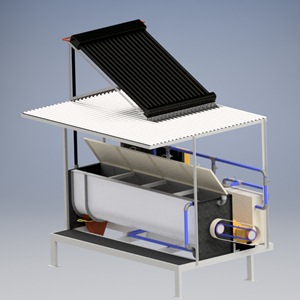
What makes FOOD-2050’s mechanical composting solution so effective?

R

Air is circulated through the reactor to ensure aerobic conditions and prevent any methane gas formation.

R
A special combination of harvested microbes is key to turning food waste into compost.
R
An additional step to the composting process is hygienization during which the compost is heated for 1 hour above 72˚C to ensure that all harmful bacteria are destroyed. This hygienization process adheres to the European Union’s Regulation for processing and hygienization of third category materials. Animal by-products and food waste is considered third category materials under this EU regulation.

Some of the major benefits of FOOD-2050’s mechanical composting solution

Composting at point of source and within urbanised societies reduces the logistical costs significantly to move food waste to landfill sites.
FOOD-2050’s composting technology reduces the traditional composting process to 24-48 hours.
Our closed system eliminates the health risk associated with odours, harmful liquid effect and vermin.
No methane gas is generated due to intensive aeration.

The Future

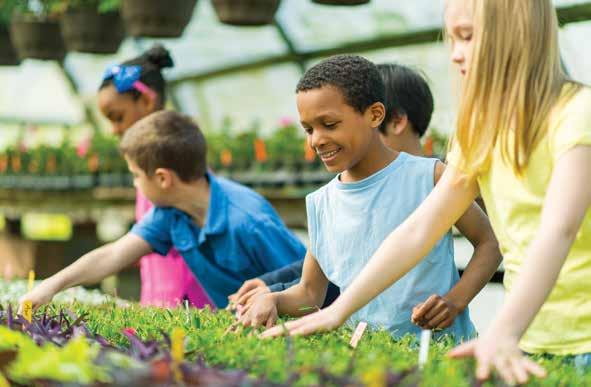
The future of composting is to convert food waste at point of source preferably and alternatively utilising current established infrastructure, at no additional cost, for centralised facilities. Hence FOOD-2050’s focus is on schools, in line with our vision, not only to optimise the infrastructure cost, but also to educate our future generations.

Become part of the solution
while saving at the same time.

Contact us today for a cost-effective,
environmentally-friendly solution that
will also save you money.

We Would Love To Hear From You
Tertius Pieters

+27 (0)82 411 2834

tertiuspieters@food-2050.com